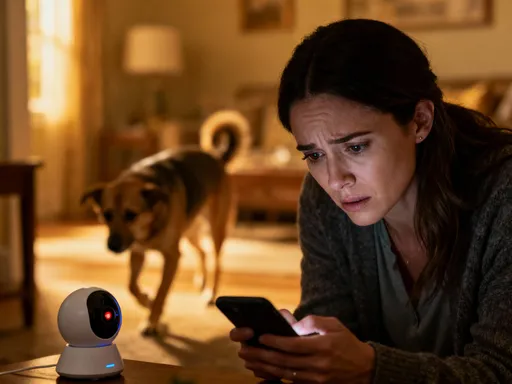
Walking through a dark house late at night is more than just inconvenient—it’s risky. You’ve probably stubbed a toe, woken the baby, or startled someone reaching for water. These small moments add up, creating tension instead of peace. What if your lights could know when someone’s moving and guide them gently? This isn’t about flashy tech—it’s about calmer nights, safer steps, and a home that truly looks out for everyone. Let’s talk about how something as simple as light can bring your family closer together.
The Midnight Struggle: How Darkness Disrupts Family Rhythm
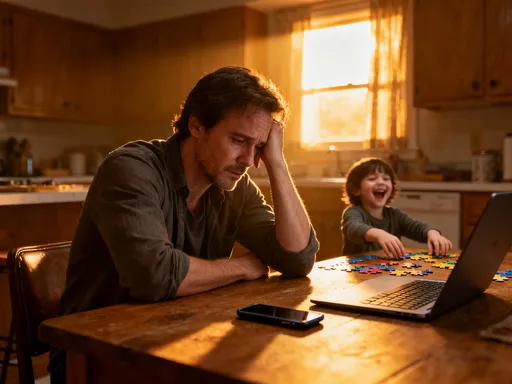
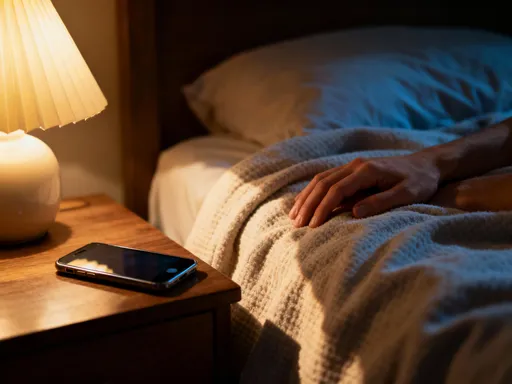
You know that moment. It’s 2 a.m. You’re half-awake, heart already pounding before you even stand up. The baby’s crying, or maybe you just need a glass of water—but the hallway is pitch black. You tiptoe, arms stretched out like a sleepwalker in a movie, hoping this time you won’t knock into the dining chair for the third night in a row. We’ve all been there. It’s not dramatic, but it’s exhausting. And it’s not just about the stubbed toes—though those hurt enough. It’s about the ripple effect. The moment you flick on a harsh overhead light, you’ve woken your partner. Now your teen in the next room groans and rolls over. By morning, everyone’s a little more tired, a little more frayed.
For parents, this is just part of the routine. But for kids, especially younger ones, the dark can feel scary. They don’t just fear monsters under the bed—though that’s part of it. They fear the unknown. A shadow on the wall becomes a giant. A creak becomes a threat. And when they finally gather the courage to walk to your room, they want to be seen, to be safe, to not trip and cry and make everything worse. Darkness, it turns out, doesn’t just obscure the floor—it obscures peace. It breaks the rhythm of rest that every family needs to thrive.
Even teens aren’t immune. They might not admit it, but a sudden movement in a dark kitchen can make anyone jump. And when they come home late, maybe after a study session or a friend’s house, they don’t want to turn everything on and wake the house. They just want to move quietly, safely. So why do we still rely on old solutions—like clunky switches, blinding bulbs, or nightlights that either don’t reach far enough or glow too bright? The truth is, most of us haven’t updated how we think about lighting since we were kids ourselves. But our lives have changed. Our homes are busier, our schedules more scattered. Maybe it’s time the lights caught up.
Beyond the Light Switch: What Smart Lighting Actually Does
You might think smart lighting means using your phone to turn on a lamp from the couch. And okay, that’s part of it. But it’s like saying a car is just a faster bicycle. Sure, technically true—but it misses the point. Smart lighting is about creating a home that *responds*. It’s about installing lights that don’t just turn on and off, but sense, adapt, and support.
Imagine this: your bathroom light wakes up when you walk in. Not fully bright—just a soft glow along the baseboard, just enough to see the toilet or sink. No fumbling. No blinking against sudden light. Just a gentle cue that says, You’re okay. We’ve got you. That’s possible because of motion sensors, small but smart devices built into bulbs or wall modules that detect movement. They don’t care if it’s you, your partner, or the dog making a break for the back door. If something moves, the light responds.
Then there’s scheduling. You can tell your lights, “Every night at 9:45, start dimming the living room.” Not to zero—just to 20%, so the room feels cozier, quieter. It’s not a command. It’s a suggestion. A soft nudge toward winding down. Kids pick up on that. They don’t hear, “Bed in 15 minutes!” shouted from another room. They feel it in the air, in the lighting, in the shift. And it works better than any reminder ever did.
And let’s talk about color. Yes, color. Some smart bulbs let you change the warmth of the light—like going from a bright, alert white in the morning to a soft, warm amber at night. That’s not just about mood. It’s about biology. Your body responds to light temperature. Cooler light keeps you awake. Warmer light tells your brain it’s time to rest. So when you use smart lighting, you’re not just avoiding stubbed toes. You’re helping your family sleep better, wake up easier, and live more in tune with their natural rhythms.
A Calmer Home: How Gentle Light Reduces Anxiety and Improves Sleep
Have you ever turned on a bright light in the middle of the night and instantly regretted it? One second you’re sleepy and calm. The next, you’re wide awake, heart racing, like you just chugged an espresso. That’s not your imagination. It’s your brain reacting to blue-toned, high-intensity light. This kind of light suppresses melatonin—the hormone that helps you fall and stay asleep. And when melatonin drops, sleep gets harder. For kids, this effect is even stronger. Their brains are still developing, and their sleep cycles are more sensitive.
Now, picture the opposite. Your child wakes up scared. Maybe they had a bad dream. They get out of bed, and as they step into the hallway, a soft, warm light rises—just enough to see the path to your room. No sudden shock. No blinding glare. Just a quiet reassurance: You’re safe. You’re not alone. That glow doesn’t just help them see. It helps them feel better. It’s like a hug from the house.
Smart lighting systems can be programmed to use this science. You can set night mode to activate at a certain time, reducing brightness and shifting to a warm hue. Some systems even sync with your bedtime routine—like turning on calming hallway lights when the TV shuts off. This isn’t just convenience. It’s care. It’s designing your home to protect your family’s mental and physical well-being.
And it’s not just for kids. Adults benefit, too. When you get up to check on a child or tend to a pet, you don’t need full illumination. You need just enough light to move safely—without wrecking your own sleep. With smart lighting, you can have that. A gentle ramp-up of light, followed by a slow fade back to dark as you return to bed. It’s like your home is learning to breathe with you.
Keeping Everyone in Sync: Lighting as a Tool for Family Coordination
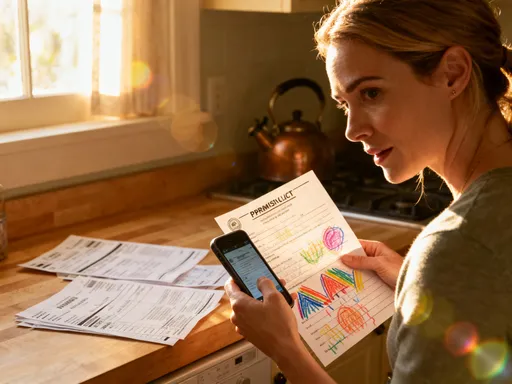
One of the quietest stresses of family life is being out of sync. Your teenager is just coming alive at 9 p.m. You’re already in your pajamas, sipping tea. Your partner works late. The dog needs a walk. The baby wakes at 5:30 a.m. It’s not chaos—but it’s close. And in that mix, small things get missed. Did the kids lock the front door? Did your spouse get home okay? Did someone leave the porch light on again?
Smart lighting can’t solve all of it—but it *can* help you stay connected without constant texts or nagging. Think of it as a visual language your whole family learns over time. For example, you can set the kitchen light to glow softly if the back door opens after 10 p.m. It’s not an alarm. It’s a quiet signal—like a tap on the shoulder—that someone’s home or up and about. You don’t have to ask. You can just *know*.
Or imagine this: at 8 p.m., the living room lights slowly dim, and the hallway to the bedrooms begins to glow. It’s not loud. It’s not a rule. It’s just a pattern. Over time, your kids begin to recognize it as a cue. No one has to say, “It’s almost bedtime.” The house says it for you. And because it’s consistent, it feels natural, not forced. It’s like your home is helping you raise your kids—gently, quietly, without raising your voice.
For teens, this kind of system can foster independence and trust. You can set up a routine where their room light turns on briefly when they arrive home—just long enough to let you know they’re safe, but not so long that it feels like surveillance. It’s the balance every parent wants: support without suffocation. And for older family members—like parents caring for aging parents at home—these cues can be even more important. A light that turns on automatically in the bathroom at night means less worry, less checking-in, less fear of a fall.
Simple Setup, Real Results: Making It Work in Your Home
Now, I know what you might be thinking: This sounds great, but isn’t it complicated? Won’t I need an electrician? A PhD in tech? A budget like a Silicon Valley startup? The good news? No. You don’t need any of that. Smart lighting has gotten easier, more affordable, and more user-friendly than ever.
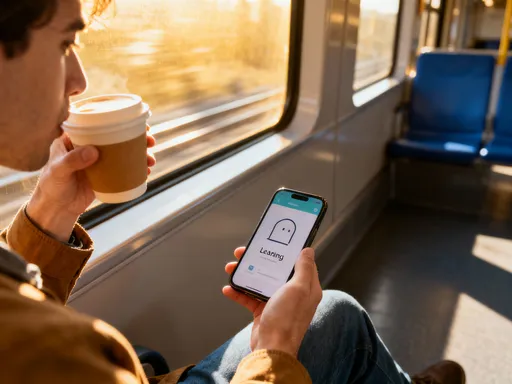
Start small. Pick one area that matters most. For most families, that’s the hallway between bedrooms and the bathroom. Or the stairs. Or the kitchen at night. Install a motion-sensing bulb or two. Many brands—real, well-known ones—offer kits you can set up in under an hour. You just screw in the bulb, download the app, and connect it to your Wi-Fi. That’s it.
I remember when I first tried it, my husband looked skeptical. “You’re putting a camera in our house?” No, I said. “It’s not a camera. Just a little sensor that sees movement—like a super-sensitive nightlight.” He paused. “And it won’t wake us up?” Not if we don’t want it to, I said. We set it to only respond at certain times—like after 10 p.m. And we chose warm light, not bright white. That first night, when our youngest got up and the hallway lit up just enough to see, my husband whispered, “Okay. I get it now.”
You don’t have to do everything at once. Try a smart bulb in the bathroom. See how it feels. If you like it, add one in the kitchen. Many systems let you expand gradually. You can start with two bulbs and grow to ten, fifteen, or more—without replacing your whole setup. And the best part? Most of these systems are designed for people who don’t love tech. The apps are simple. The voice controls—like saying, “Hey Google, turn on the porch light”—work reliably. You don’t have to be a geek. You just have to care about your family’s comfort and safety.
More Than Convenience: The Emotional Payoff of a Thoughtful Home
There’s a moment I’ll never forget. It was around 2 a.m. Our toddler had woken up, scared. She got out of bed, and as she stepped into the hall, the light rose—soft, warm, steady. She didn’t cry. She didn’t call for us. She just walked—calmly, confidently—down the hall to our room. When she climbed into our bed, she whispered, “The light helped me.”
That’s when it hit me. This wasn’t about avoiding stubbed toes. It wasn’t about cool tech. It was about giving her courage. It was about helping her feel safe in her own home. And that? That’s priceless.
A home that responds—gently, thoughtfully—isn’t cold or robotic. It’s the opposite. It’s warm. It’s present. It’s the kind of home where everyone, no matter their age, can move through the night without fear. Where you don’t have to hold your breath every time someone gets up. Where small acts of care are built into the walls, the floors, the lights.
And over time, those small things add up. You start to feel more rested. More peaceful. More connected. Because when your environment supports you, you can focus on what really matters—your family, your time, your love. You’re not fighting the darkness anymore. You’re living with a little more grace, a little more ease.
Lighting the Way Forward: Small Changes, Big Impact
The best things in life aren’t always loud or flashy. Sometimes, the most meaningful changes come from quiet improvements. A better pillow. A cozier blanket. A lamp that turns on just when you need it. Smart lighting isn’t about turning your house into a sci-fi movie. It’s about making it feel more like *home*—safer, kinder, more in tune with the people inside.
You don’t need to replace every bulb. You don’t need to spend thousands. You just need to start. Pick one room. One routine. One small way to make nighttime a little easier. Install a motion-sensing light in the hallway. Set a bedtime dimming schedule. Let your home begin to support you, instead of work against you.
Because when your lights care, you can care more too. You can be more patient. More present. More at peace. And that’s the real magic of technology—not what it does, but how it helps you live. One soft glow at a time, you can build a calmer, more connected life. And really, isn’t that what we all want?