Mornings with kids used to feel like a race against time—shoes missing, breakfast spilled, hobbies forgotten in the rush. You’re not alone. Many parents juggle safety worries while wishing their children could start the day with joy, not stress. But what if technology could quietly support both protection and passion? This is not about screens replacing moments—it’s about smart tools that create space for creativity, confidence, and calm. Let me show you how small changes can make mornings feel lighter, safer, and full of possibility.
The Morning Rush That Almost Broke Us
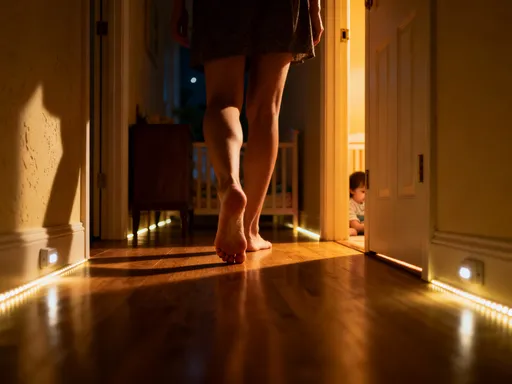
Remember that morning when your daughter finally finished her handmade birdhouse, glowing with pride, only to have it left behind on the kitchen counter as you sprinted out the door? Or when your son spent ten minutes carefully arranging his dinosaur collection by size, only to be yanked away with, “We’re late again!”? I do. And I remember the look on their faces—confused, hurt, small. Like their passions didn’t matter because the clock said otherwise.
For years, our family mornings were a blur of mismatched socks, half-eaten toast, and rising voices. I’d shout from the bathroom with toothpaste dripping down my chin, “Did someone pack the permission slip?” My husband would frantically check backpacks while our kids argued over who got to carry the sparkly pencil case. The dog barked. The toast burned. Someone cried. And by the time we pulled out of the driveway, I’d already feel guilty—guilty for yelling, guilty for rushing, guilty for not making space for the things that lit my kids up.
But beneath the chaos was something deeper: fear. The kind that whispers, “What if something happens to them on the walk to school?” or “Did they really lock the bike properly?” I wanted them to feel safe, yes—but I also wanted them to feel seen. I wanted their morning not to be about surviving, but about beginning. Beginning with curiosity. With calm. With a sense that their interests mattered as much as the schedule.
That’s when I started wondering—what if the same tools we use to make coffee or check the weather could also help us protect our kids and honor their passions? Not by adding more screens or rules, but by weaving gentle, thoughtful tech into the rhythm of our days. I didn’t want a robot nanny. I wanted a little help—a quiet ally in the morning madness. And slowly, we found it.
Safety First, But Not at the Cost of Joy
We all want our kids safe. That’s non-negotiable. But for a long time, the tools meant to keep them safe felt like they were stealing something precious—spontaneity, freedom, the simple joy of being a kid. I remember when a friend first told me about GPS trackers for kids’ backpacks. My gut reaction? “That feels… intense.” Like we were treating childhood like a high-risk mission.
And honestly, some tools still feel that way. Cameras that ping every time a child moves. Alerts that scream “SPEED ALERT!” when a bike goes too fast. It’s not comfort—it’s anxiety on repeat. I didn’t want to raise kids who felt watched, but kids who felt supported.
Then I discovered a new generation of safety tech—tools designed not to monitor, but to reassure. Take geofencing, for example. It’s a simple idea: you set a virtual boundary around a place, like your home or school. When your child’s wearable device—like a kid-friendly smartwatch—crosses that line, you get a quiet notification: “Lily arrived at school safely.” No alarm. No panic. Just peace.
And the beauty is, it’s not constant surveillance. It’s a gentle check-in, like a wave from across the playground. One mom I spoke with said, “Before, I’d text my son five times on his walk to school. Now, I get one message when he arrives. I breathe easier, and he feels more trusted.” That’s the shift—from control to connection.
Some watches even let kids press a button to send a quick “I’m okay” message with just a tap. No typing, no stress. For younger kids, it’s empowering. For parents, it’s a lifeline. And the best part? These tools don’t dominate the morning. They fade into the background, doing their job quietly, so the rest of the day can stay focused on what matters—like whether the science project needs glitter or glue.
Making Space for What Matters: When Hobbies Become Anchors
Let me tell you about Maya. She’s ten, loves drawing animals, and could spend hours sketching foxes with too many tails. But last year, her mornings were so rushed she’d forget her sketchbook—again and again. Her mom noticed: on days she didn’t draw, Maya was more anxious, more withdrawn at drop-off. But on the rare mornings she got ten minutes with her pencils? She walked into school with her head up, her backpack bouncing, humming to herself.
That’s when it hit me: hobbies aren’t just “extra.” They’re emotional anchors. They give kids a sense of identity, a place to return to when the world feels loud or confusing. And in the morning—the most chaotic part of the day—that anchor can be everything.
Studies show that children who engage in creative activities early in the day have better focus, lower stress, and improved emotional regulation. It’s not magic. It’s neuroscience. When a child draws, plays an instrument, or even just arranges their rocks by color, they’re not “wasting time.” They’re grounding themselves.
But how do you make space for that when the bus comes in 20 minutes? That’s where intention—and a little tech—comes in. Maya’s mom started a simple ritual: the night before, Maya would place her sketchbook and favorite colored pencils in a bright green basket by the door. No last-minute hunting. No “Where’s your art folder?” stress.
And in the morning, a small smart speaker in the kitchen would play Maya’s chosen “morning song”—a cheerful ukulele tune—followed by a gentle voice: “Maya, time to grab your sketchbook. You’ve got ten minutes before breakfast.” Not a command. An invitation. And slowly, those ten minutes became sacred. Not every day, but often enough to matter.
Now, Maya walks into school with a drawing in her hand—sometimes a cat with wings, sometimes a tree made of rainbows. Her teacher says it’s the first thing she shares at circle time. And Maya? She says, “It makes me feel like me.” That’s the power of space. Of time. Of being seen.
The Tiny Tech That Transforms Mornings
You might be thinking, “But tech? In the morning? Isn’t that just more distraction?” I get it. I used to think that way too. But not all tech is created equal. Some tools demand attention. Others give it back.
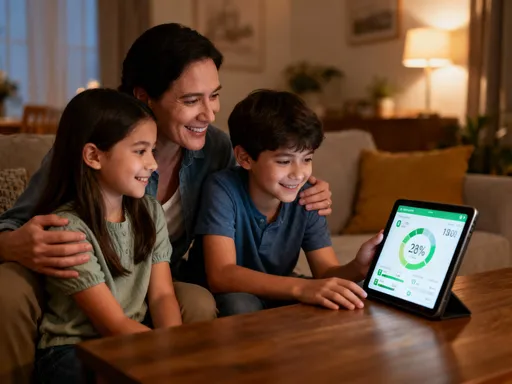
Let’s talk about the kid-friendly smartwatch. It’s not a mini phone. No social media. No games. Just simple, useful features: a gentle vibration alarm (no jarring buzz), a check-in button, and maybe a fun step counter. My son’s watch wakes him with a soft pulse—like a nudge from a friend—instead of a blaring alarm. He says it feels kinder. And because he can tap “I’m up” to let us know, we don’t have to knock or call. His mornings start with calm, not chaos.
Then there’s the smart speaker. Ours lives in the kitchen and does more than play music. Every morning, it runs a short routine: lights turn on slowly, the weather is read aloud, and it reminds the kids, “Don’t forget your library book!” or “Today’s after-school club is robotics.” No yelling from another room. No forgotten items. Just a calm, consistent voice that helps them remember.
And here’s a game-changer: voice reminders linked to backpacks. One mom I know uses a smart tag—like a digital sticker—on her daughter’s backpack. In the morning, her phone reminds her, “Art supplies needed today.” She attaches it to the supply list the night before, and the tag pings if it’s left behind. Simple. No stress. Just peace of mind.
These aren’t futuristic gadgets. They’re small, affordable, and easy to set up. You don’t need to be a tech expert. Most come with guided apps, clear instructions, and customer support that actually answers the phone. And the best part? They don’t take over. They support. They help your family breathe a little easier, so you can focus on what really matters—like asking, “What are you drawing today?” instead of “WHERE ARE YOUR SHOES?!”
How We Made It Work: A Real Morning Routine Redesign
So how did we go from chaos to calm? It didn’t happen overnight. We started small. One change at a time. And honestly, we still have messy mornings. But now, even on the tough days, there’s a rhythm—a quiet backbone—that holds us together.
Here’s what our morning looks like now: At 6:55 a.m., the lights in the kids’ rooms begin to brighten slowly, mimicking sunrise. It’s gentler than a blaring alarm and helps their bodies wake up naturally. At 7:00, their watches vibrate softly. No one jumps. No one groans. They just begin.
By 7:10, they’re in the kitchen. The smart speaker plays their chosen song—today it’s a peppy pop tune with a good beat. While they eat, it announces the day’s weather and any special items needed. “Don’t forget your gym shoes!” it reminds. My daughter smiles and runs back to grab them. No argument. Just action.
At 7:25, they each have ten minutes for their “morning thing.” My son plays three songs on his ukulele. My daughter draws in her sketchbook. I sit with my tea and just watch. No rushing. No checking the clock. These minutes aren’t wasted—they’re invested. In joy. In confidence. In connection.
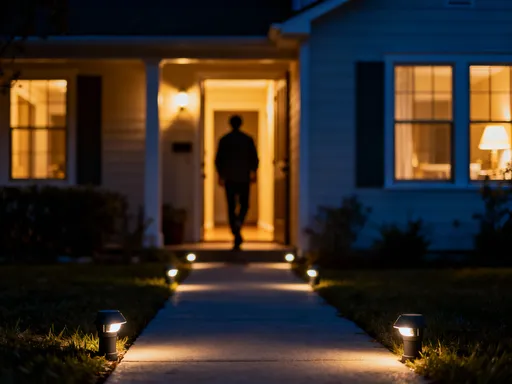
At 7:35, backpacks go on. The door has a small hook with labeled baskets: one for library books, one for art supplies, one for permission slips. Everything is ready. No last-minute panic. And as they walk out the door, their watches send a silent signal: “Left home.” My phone pings softly. I don’t have to follow them. I don’t have to worry. I can trust that they’re on their way.
And in that moment, something shifts. My mind isn’t full of fear. It’s full of pride. I see my son adjusting his backpack with confidence. My daughter humming as she skips down the path. And I think, “They’re not just getting to school. They’re becoming themselves.”
Beyond Convenience: Raising Capable, Confident Kids
This isn’t just about making mornings easier for me. It’s about raising kids who feel capable. Who know their passions matter. Who learn, early, that they can be trusted.
When my son uses his watch to check in, he’s not just sending data—he’s practicing responsibility. He knows Mom needs to know he’s safe, and he helps make that happen. It’s a small act, but it builds trust. Over time, he’s learning: “I can do this. I can manage my time. I can remember my things.”
And when my daughter brings her sketchbook to school, she’s not just carrying paper and pencils. She’s carrying her voice. Her teacher tells me she’s more willing to share her ideas in class now. She’s raising her hand. She’s smiling more. The confidence she finds in her art is spilling into everything else.
That’s the ripple effect of honoring their interests. It’s not just about the hobby. It’s about the message: “You matter. What you love matters.” And when tech helps us deliver that message—by creating space, reducing stress, and keeping them safe—we’re not just raising kids who survive the day. We’re raising kids who thrive.
One dad I spoke with put it perfectly: “I used to think my job was to protect my kids from every risk. Now I see my job is to prepare them for life. And sometimes, that means letting them walk to school with a drawing in their hand and a quiet check-in on their wrist. They feel safe. I feel calm. And we both win.”
This Isn’t About Perfect Mornings—It’s About Real Progress
Let’s be real: not every morning goes smoothly. Last week, my son forgot his homework. Again. My daughter spilled orange juice on her sketchbook. We were late. I muttered “not again” under my breath. But then I stopped. And I looked at what *did* go right.
He remembered his gym shoes. She still brought her pencils. They both checked in when they got to school. And at breakfast, they laughed about a silly meme. Those are wins. Small, quiet, but meaningful.
The goal was never perfection. It was progress. Fewer tears. Fewer shouts. More moments where I see them—not as problems to manage, but as people to love. Where they feel free to be curious, creative, and calm.
Tech didn’t fix everything. But it helped. It gave us breathing room. It turned panic into peace. It made space for the things that matter—like a child’s drawing, a shared song, a quiet moment of pride.
So if your mornings still feel like a whirlwind, I’m not here to sell you a perfect system. I’m here to say: small changes can grow. A basket by the door. A gentle alarm. A check-in that says “I’m safe.” These tiny things add up. They don’t erase the messiness of life—they make room for the joy within it.
And when you see your child walk into school with their head high, a sketch in hand, and a smile on their face, you’ll know: this is what it’s about. Not control. Not convenience. But connection. Safety, yes. But also spark. Calm, yes. But also courage. This is how we help our kids shine—before the bell even rings.