You’re not alone if you’ve ever lied in bed, scrolling mindlessly, promising yourself “just five more minutes.” I used to do it every night—until I realized how much it was hurting my sleep and mood. What changed? A simple shift in how I use my health tools at night. It’s not about deleting apps or going cold turkey. It’s about working *with* technology, not against it. This is the bedtime routine that finally brought me peace. And the best part? It didn’t require willpower, drastic changes, or giving up my phone for good. Just a few thoughtful tweaks that made all the difference.
The Midnight Scroll Trap We’re All Stuck In
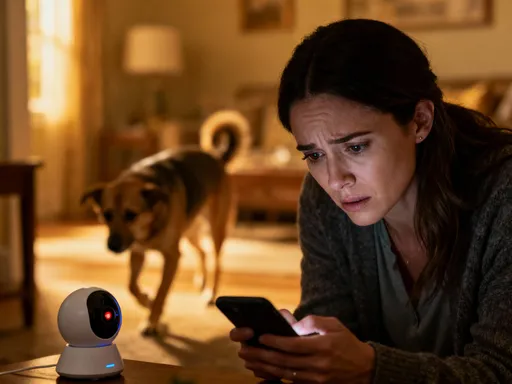
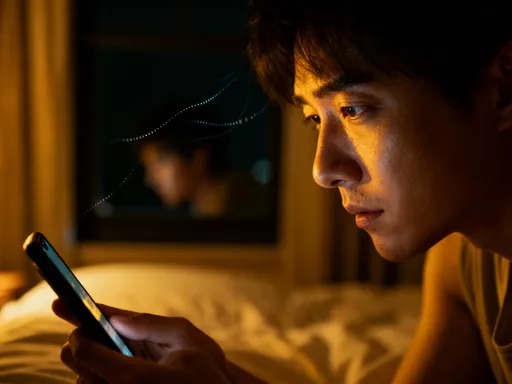
Picture this: it’s 10:30 p.m. The house is quiet. The kids are asleep. The dishes are done. Finally, some time for yourself. You grab your phone—just to check one thing. Maybe a text, an email, or your step count from today. But then, something pulls you in. A video suggestion. A news headline. A notification from your sleep app telling you your heart rate was high during your workout. One minute becomes five. Five becomes twenty. Before you know it, it’s past midnight, and you’re still wide awake, staring at a glowing screen.
This isn’t just a bad habit. It’s a pattern so common it’s almost invisible. We’ve all been conditioned to believe that nighttime is our only time to catch up—with the world, with ourselves, with our goals. And our phones? They’re always ready to help. But here’s the truth: that sense of control we get from checking our health stats, our messages, or our to-do lists before bed is an illusion. What feels like self-care often turns into self-sabotage.
I remember lying there, heart racing after reading a fitness article about “optimal recovery windows,” even though I’d had a great day. I wasn’t stressed before I picked up my phone. But within minutes, I was comparing my sleep score to yesterday’s, wondering why I hadn’t hit my step goal, and feeling guilty for not meditating. All of this—right before trying to fall asleep. Sound familiar? That’s the trap. We use tools designed to support our well-being, but we use them at the worst possible time: when our minds should be unwinding, not analyzing.
The emotional pull is real. That “just one more check” feels harmless. But over time, these small moments add up. They fragment our sleep, delay melatonin release, and keep our brains in a state of low-grade alertness. And the worst part? We don’t even realize it’s happening until we’re dragging through the next day, wondering why we feel so foggy and on edge.
Why Health Tools Can Hurt When Used at Night
Here’s the irony: the apps we download to help us sleep better, move more, and feel calmer can actually do the opposite when used at night. Think about it. Your sleep tracker tells you you only got 6.2 hours last night. Your meditation app sends a reminder: “You haven’t practiced in two days.” Your fitness watch buzzes with a summary of your resting heart rate. All of this information is meant to empower you. But when you’re lying in bed, trying to quiet your mind, it can feel like a report card you didn’t study for.
I started noticing how these little nudges triggered a wave of quiet anxiety. Seeing that my “sleep efficiency” was down made me worried I wouldn’t fall asleep tonight. Checking my heart rate variability before bed made me hyper-aware of every heartbeat. Instead of helping me relax, my health tools were putting me on high alert. And the more I monitored, the more I felt like I was failing—even when I was doing pretty well.
Science backs this up. Our brains are wired to respond to feedback, especially when it’s framed as a goal or a score. When we check our health data late at night, we shift from a state of rest into a state of evaluation. We go from “I’m winding down” to “How did I do?” That mental shift activates the prefrontal cortex—the part of the brain responsible for planning, decision-making, and self-assessment. Exactly the opposite of what we need before sleep.
And let’s be honest: most of us don’t check our apps with pure curiosity. We check them with a hint of judgment. Did I do enough? Am I improving? Why isn’t this working? That subtle pressure turns self-care into self-scrutiny. What started as a tool for wellness becomes a source of stress. The very thing meant to help us feel better ends up making us feel worse—especially when we’re vulnerable, tired, and trying to let go.
The Turning Point: When I Noticed the Pattern
My wake-up moment didn’t come from a doctor’s visit or a viral article. It came from how I felt every morning. For weeks, I’d been waking up exhausted, even after seven or eight hours in bed. I’d check my sleep app and see a decent score, but I still felt drained. My mood was off. I was short with my kids. I couldn’t focus at work. I started journaling to figure out what was wrong, and that’s when I saw the pattern: the nights I slept worst were the ones when I’d spent the most time on my phone before bed—especially checking my health data.
One night stands out. I’d had a great day—walked 10,000 steps, drank enough water, even meditated in the morning. But around 10:45 p.m., I checked my fitness app. My recovery score was “moderate.” Not bad, but not “optimal.” I fixated on it. Why wasn’t it better? Did I push too hard at the gym? Was I not sleeping deeply enough? By the time I put my phone down, my mind was racing. I didn’t fall asleep for over an hour. The next morning, I felt like I’d barely slept at all.
That’s when it hit me: I was using my health tools like a boss monitoring an employee, not like a friend supporting myself. I was treating my body like a project to be optimized, not a home to be rested in. And the most ironic part? The more I tried to “fix” my sleep with data, the worse it got. I wasn’t listening to my body. I was listening to an algorithm.
The turning point wasn’t about throwing out my phone or uninstalling every app. It was about changing my relationship with them. I realized I didn’t need more information at bedtime. I needed less. I needed space to breathe, to let go, to trust that I was doing enough. And that started with one simple question: What if I didn’t check anything after 9 p.m.?
Rewiring My Evening: A Calmer Way to Use Tech
I didn’t go cold turkey. That never works for me. Instead, I redesigned my evening routine to make space for tech—without letting it take over. The first change was simple: I moved my health app check-in to early evening, around 7:30 or 8 p.m. That’s when I’d review my step count, check my sleep summary from the night before, and glance at my heart rate trends. If something needed attention—a low hydration score, a missed meditation—I’d make a note to adjust tomorrow. But by 9 p.m., my phone was out of my hands.
To help me stick to it, I set up gentle reminders. Not pushy alerts that said “You’re failing!” but soft nudges like “Time to wind down” or “Your body is ready to rest.” I also used the Screen Time feature on my phone to set a daily limit for my health apps. Once I hit ten minutes, the app would lock. It wasn’t about punishment—it was about creating boundaries that supported my well-being.
I also changed how I used my bedroom. I started charging my phone in the kitchen overnight. At first, it felt strange. What if I needed it? What if the kids woke up? But within days, I realized I didn’t need it. And if I did, I could always go get it. The peace I gained was worth the minor inconvenience. I replaced the late-night scroll with things that truly helped me relax: reading a physical book, sipping herbal tea, or just lying in the dark, breathing slowly.
The key was replacing reactive checking with intentional usage. Instead of picking up my phone out of habit or anxiety, I used it with purpose—earlier in the evening, when I had the mental space to process the information without stress. And when bedtime came, I wasn’t trying to “fix” myself. I was just letting myself be.
What Changed When I Reduced Bedtime Taps
The difference was almost immediate. The first few nights, I’ll admit, I felt restless. My fingers itched to check something. But by the third night, I fell asleep faster. Not because I was more tired—but because my mind was quieter. Without the mental clutter of data and notifications, I could actually hear my body telling me it was ready to rest.
Within a week, I noticed changes beyond sleep. I woke up feeling more refreshed. My mood was more stable. I had more patience with my family. I wasn’t snapping over small things. At work, I could focus better. I even started looking forward to bedtime—not as a battle, but as a gift.
One morning, my daughter said, “Mom, you seem happier lately.” That hit me hard. I hadn’t realized how much my late-night scrolling was affecting not just me, but everyone around me. My irritability, my fatigue, my distractedness—it was all tied to those extra minutes on my phone.
And here’s the irony: after I stopped checking my sleep score every night, my sleep actually improved. My average hours went up. My deep sleep increased. My resting heart rate became more stable. When I finally looked at the data again—during the day, not at night—I was surprised. By letting go of the need to monitor, I’d created the conditions for real rest. The numbers followed the peace, not the other way around.
How to Build Your Own Nighttime Reset (Step by Step)
If you’re ready to make a change, you don’t need a perfect plan. You just need a starting point. Here’s how I guide myself—and how I’d guide you—through this shift, one gentle step at a time.
First, observe without judgment. For three nights, just notice how you use your phone before bed. What apps do you open? How many times do you pick it up? What are you hoping to find? You don’t need to change anything yet—just become aware. Write it down if it helps. This isn’t about shame. It’s about understanding your pattern.
Next, choose one small boundary. Maybe it’s no phones after 9 p.m. Maybe it’s checking health apps only before dinner. Maybe it’s charging your phone outside the bedroom. Pick one change that feels doable, not overwhelming. The goal isn’t perfection—it’s progress.
Then, replace the habit with something soothing. What do you really need at night? Connection? Quiet? A sense of closure? Find a non-digital way to meet that need. Maybe it’s journaling three good things from your day. Maybe it’s a five-minute stretch. Maybe it’s a warm cup of tea and a few pages of a novel. The key is to fill the space with something that truly relaxes you—not just distracts you.
Use your tech to support the habit, not break it. Set a gentle reminder to wind down. Use a smart speaker to play calming music. Try a white noise app—but start it early, then let it run on its own. The goal isn’t to eliminate technology. It’s to make it serve your peace, not steal it.
And if you slip up? That’s okay. Some nights, I still grab my phone. But now, instead of spiraling, I pause. I ask myself: Do I really need this right now? Or am I just avoiding stillness? More often than not, I put it back down. And each time I do, I’m retraining my brain to choose rest over reactivity.
Sleep, Self-Care, and the Quiet Power of Letting Go
Looking back, I realize that my late-night scrolling wasn’t really about my phone. It was about a deeper fear—that if I stopped checking, I’d fall behind. That I needed to monitor myself to be enough. But true self-care isn’t about constant optimization. It’s about trust. It’s about believing that you’re already doing your best, even on the messy days.
Letting go of bedtime tech wasn’t a loss. It was a gift. It gave me back my sleep. It gave me back my calm. It gave me back my mornings. And it reminded me that rest isn’t lazy—it’s necessary. In a world that glorifies busyness, choosing to unplug is an act of quiet rebellion. It’s saying, “My peace matters. My energy matters. My presence matters.”
Better sleep didn’t come from more data. It came from more stillness. From turning off the noise and tuning into myself. From trusting that I don’t need a score to know I’m doing well. And from realizing that the most powerful health tool I have isn’t on my wrist or in my pocket—it’s within me.
If you’re lying in bed tonight, scrolling again, remember this: you don’t have to fix yourself to deserve rest. You just have to let go. And sometimes, the bravest thing we can do is put the phone down, close our eyes, and simply be.