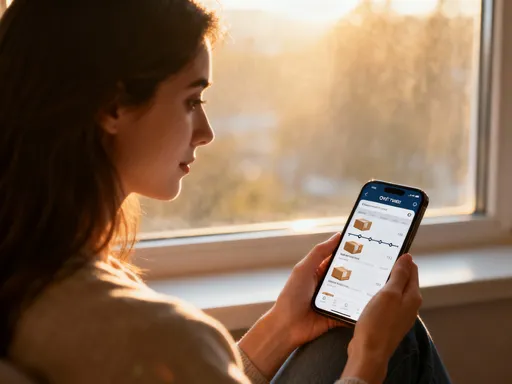
You’re juggling work deadlines, school runs, and grocery lists—when your phone buzzes: “Mom just left the house—alone—while her fall alert was off.” Your heart jumps. Then you remember: with the right setup, that alert could’ve been automatic, your mom safer, and you, calmer and more focused. What if your family safety app didn’t just protect—but actually freed up your time? It’s not magic. It’s smarter tech use. And it’s something every busy woman managing a home and a life deserves to know about. These tools were built to help us, not add to our load. So let’s talk about how to make them work quietly, wisely, and beautifully in the background of your real life.
The Hidden Workload of Caring
Let’s be honest—being the person who holds everything together isn’t just a job. It’s a full-time role with no official title, no performance reviews, and definitely no overtime pay. You’re the one remembering doctor appointments, noticing when your teenager seems off, checking in on aging parents, and making sure the dog got walked before the rain started. And somewhere in all of that, you’re also trying to meet work deadlines, keep the household budget balanced, and maybe—just maybe—find five minutes to sip tea while it’s still warm.
That’s why so many of us turn to family safety apps. We download them hoping for peace of mind. But too often, they become just another thing to manage. We get pinged every time someone leaves a geofenced area—even if it’s perfectly normal. We spend time checking in manually because the app doesn’t tell us what we actually need to know. And instead of reducing stress, these tools end up adding to our mental load. The notifications pile up, the alerts feel overwhelming, and we start ignoring them—until one day, we realize we missed something important.
This isn’t the app’s fault. It’s how we’re using it. Most of us treat these tools like simple tracking devices—something to check on when we have a spare moment. But when used thoughtfully, they can do so much more. They can act like a quiet helper, watching the small things so you don’t have to. They can free up brain space, reduce anxiety, and actually give you back time during your busiest hours. The key is shifting from reactive monitoring to proactive support. That means setting up your app not just to watch, but to understand.
Think of it like this: if your phone buzzed every time your fridge door opened, you’d turn it off, right? It’s the same with safety apps. Constant, low-value alerts train us to tune out. But when alerts are meaningful—when they tell you something truly worth knowing—you’ll pay attention. And better yet, you’ll feel calmer, not more anxious. That shift starts with recognizing that your time and attention are precious. You shouldn’t be spending them on guesswork, false alarms, or unnecessary check-ins. You should be spending them on the people and things that matter most.
Beyond Basic Tracking: Rethinking What Safety Apps Can Do
Most of us use family safety apps the way we first learned to—by turning on location sharing and maybe setting up a panic button. That’s a good start, but it’s like using a smartphone just to make calls. You’re barely scratching the surface of what it can do. The real power of these tools lies in the features most people never explore: automated routines, smart triggers, and integration with other devices in your home. When you unlock these, your app stops being just a tracker and starts becoming a partner in care.
Take geofenced check-ins, for example. Instead of just seeing when someone arrives or leaves a place, you can set your app to confirm they’ve entered a specific room—like the kitchen in the morning. For an aging parent living alone, that simple check can tell you they’re up, moving, and starting their day safely. If they don’t enter the kitchen by 9 a.m., the app can send you a gentle alert. No need to call. No guesswork. Just quiet reassurance.
Or imagine linking your safety app to your smart home system. When your teen gets home from school, their phone’s arrival at the house triggers the lights to turn on, the thermostat to adjust, and a soft notification to appear on your work tablet: “Emma is home.” No text needed. No back-and-forth. Just peace of mind woven into your day. These integrations don’t require technical expertise—they just need a few minutes to set up, and they pay off in saved time and reduced stress every single day.
Another powerful feature is activity pattern recognition. Some apps learn the usual rhythms of your family members—when they typically wake up, leave for work, or return home. If something unusual happens, like your mom going for a walk at 2 a.m., the app can flag it. But it won’t bother you when she takes her usual morning stroll at 8 a.m. That kind of intelligence means fewer false alarms and more trust in the system. And when you trust it, you rely on it—without feeling overwhelmed.
The shift from basic tracking to intelligent support changes everything. It moves you from a mindset of constant vigilance to one of calm confidence. You’re no longer staring at a map, wondering if everyone is okay. You’re living your life, knowing the app is quietly doing its job in the background. And that’s when technology starts feeling less like a tool and more like a teammate—one that helps you care without consuming your time.
Automate Care, Not Just Alerts
Here’s the truth: not all alerts are created equal. A notification that your dad left the grocery store at 4:15 p.m. might be useful once in a blue moon, but most of the time, it’s just noise. What you really want to know is whether he made it home safely, whether he remembered to take his medication, or whether he’s showing signs of being unwell. That’s why the real game-changer is automation—setting up your app to watch for the things that matter and stay silent on the rest.
Think about your elderly parent’s morning routine. You don’t need to be told every time they open the fridge or walk to the bathroom. But if they usually make coffee by 7:30 a.m. and haven’t entered the kitchen by 9:00, that’s worth knowing. With conditional alerts, you can create rules like: “If Mom hasn’t entered the kitchen by 9 a.m., send me a notification.” The app checks automatically. No manual tracking. No anxious calls. Just a single, meaningful alert if something seems off.
For teens, automation can be just as powerful. During a snowstorm, you might set a rule: “If my daughter hasn’t arrived at school by 8:45 a.m., notify me.” That way, you’re not refreshing her location every five minutes. You’re focused on your work meeting, knowing the app will only interrupt you if there’s a real concern. And when the alert does come, it’s not a vague “she’s late”—it’s a specific signal that something may need your attention.
One mom I spoke with shared how she set up a “school day check” for her two kids. Every weekday, the app confirms both children have arrived at school by 8:15 a.m. If one hasn’t, she gets a single alert. Before this, she was texting both kids every morning to make sure they’d arrived. That’s two messages, sometimes followed by delays, miscommunications, or “I’m here!” texts sent ten minutes later. Now, she gets one automated update—quiet, reliable, and effortless. She said it’s saved her at least 20 minutes a week, not just in texting time, but in mental energy.
And it’s not just about location. Some apps can monitor device usage patterns. If your aging parent usually makes a phone call every evening and suddenly stops for two days, the app can notice that change and alert you. It’s not about surveillance—it’s about spotting subtle shifts that might indicate a health issue or emotional dip. These automated insights don’t replace personal connection, but they do help you stay informed without constant checking.
When you automate care, you stop reacting to every little movement and start focusing on what truly matters. You trade noise for clarity. You replace anxiety with confidence. And most importantly, you give yourself permission to be present—whether you’re in a meeting, helping with homework, or finally enjoying that cup of tea.
Syncing with Your Daily Flow
Technology should fit into your life—not the other way around. That’s why the best family safety setups feel invisible. They don’t demand your attention. They don’t pop up at random moments. Instead, they sync with your natural rhythm, delivering information when it’s useful and staying quiet when it’s not.
One powerful way to do this is by connecting your safety app to your calendar. Imagine getting a summary notification at 12:30 p.m. that says: “Family check-in: Dad arrived at his doctor’s appointment. Kids got to school on time. Mom is home and active in the kitchen.” That’s it—just one update, timed to your lunch break. No need to check in between meetings. No distractions. You get the reassurance you need, on your schedule.
Another option is syncing with your smart speaker. Every morning, as you’re making breakfast, a soft voice says, “Good morning. Everyone is home and accounted for.” No phone needed. No screen time. Just a simple, comforting update that lets you start the day with one less thing to worry about.
Some women I’ve talked to love using “quiet hours” settings. During work hours, the app only sends critical alerts—like a fall detection or an emergency button press. Everything else gets held until 5:30 p.m., when a digest email or message arrives with a summary of the day’s activity. That way, they’re not pulled out of focus during important tasks, but they’re still fully informed by evening.
You can also link your app to home devices for seamless routines. For example, when your partner’s phone detects they’re five minutes from home, the app can trigger the coffee maker to start, the garage door to open, and a gentle chime to play—letting the family know dinner time is near. It’s not just about safety. It’s about harmony. It’s about using technology to make daily transitions smoother, not harder.
When your safety tools sync with your flow, they stop feeling like chores and start feeling like support. You’re not managing the app. The app is supporting you. And that’s when you start to notice the difference—not just in time saved, but in mental space reclaimed.
Empowering Family Members, Not Just Monitoring Them
Here’s something important: the goal isn’t to watch your family every second. It’s to support them in living independently and confidently. When we use safety apps the right way, we’re not creating a surveillance system—we’re building a safety net. And the best safety nets are the ones that let people feel free, not watched.
Take aging parents, for example. Many resist using safety apps because they feel like they’re being monitored. But when the focus shifts from tracking to empowerment, their attitude changes. Imagine setting up gentle reminders for your mom: a soft notification on her tablet at 8 a.m. saying, “Time for your morning walk?” or a chime at 10 a.m. reminding her to take her pills. She controls the device. She sees the prompts. But you, as the caregiver, get reassurance that the routine is happening—without having to call and check.
For teens, it’s about trust and autonomy. Instead of saying, “I’m tracking you,” you can say, “This app helps us both stay connected. If you’re running late, it can let me know automatically—so you don’t have to text.” That reframing makes a big difference. It turns the app into a communication helper, not a control tool.
One woman shared how she involved her teenage son in setting up his own safety profile. Together, they chose which alerts would be active, when he’d be notified, and what counted as an emergency. He felt respected. She felt more at ease. And because he was part of the process, he was more likely to keep his phone charged and with him—making the whole system more effective.
When family members feel like partners in the process, not subjects of surveillance, everyone wins. They gain confidence. You gain peace of mind. And the app becomes a tool for connection, not control. That trust is what makes the system sustainable. It’s not just about today’s safety—it’s about long-term well-being for everyone involved.
Real Gains: How One Family Reclaimed Two Hours a Week
Meet Sarah, a 42-year-old project manager and mom of two. Like so many of us, she was drowning in small tasks—checking her parents’ app every morning, texting her kids to confirm they got to school, calling her mom after appointments to make sure she got home okay. She estimated she was spending at least ten hours a week on these micro-checks. And that didn’t include the mental energy—the background worry, the split attention, the constant context-switching.
Then she decided to rethink her setup. She started by creating automated routines. She set up a morning check: if both kids were in school by 8:15 a.m., no alert. If one wasn’t, she’d get a single notification. She did the same for her mom: if the kitchen motion sensor was triggered by 9 a.m., all was well. If not, a gentle alert would go to Sarah and her sister—so they could share the responsibility.
She also enabled calendar syncing. Now, when her dad had a doctor’s appointment, the app would confirm his arrival and send a summary update. No more calling the office to check. No more guessing.
And she introduced quiet hours. From 9 a.m. to 5 p.m., only critical alerts would come through. Everything else waited for her end-of-day digest.
The result? Sarah now spends less than an hour a week on family check-ins. That’s over two hours saved every single week. But the real gain wasn’t just time—it was focus. She stopped missing parts of meetings because she was texting her kids. She stopped feeling guilty for not calling her mom. She started feeling like she could breathe.
“I used to feel like I had to be everywhere at once,” she said. “Now, I know the system has my back. I’m more present at work. I’m more patient at home. And honestly, I’m less tired.”
Her story isn’t unique. It’s what happens when we stop using technology reactively and start using it intentionally. The tools were always there. But it took a shift in mindset to unlock their real value.
Start Small, Think Smart: Your First Step to Effortless Safety
You don’t have to change everything overnight. In fact, it’s better if you don’t. The most sustainable changes start small. Pick one thing—one routine, one alert, one integration—and set it up today.
Maybe it’s creating a morning check for your kids. Or setting up a quiet hour rule so you’re not disturbed during work. Maybe it’s sitting down with your aging parent and showing them how gentle reminders can help them stay on track—without feeling watched.
Start with what feels manageable. Get comfortable with it. Then build from there.
Remember, the goal isn’t perfection. It’s progress. It’s about using technology in a way that serves you, not the other way around. When your family safety app works quietly in the background, handling the small things, you’re free to focus on what matters most—your work, your peace of mind, your presence in the moment.
Because you’re not just keeping your family safe. You’re giving yourself the gift of time. And that’s something every busy woman deserves.