You know that drawer full of old photos, birthday cards, and forgotten voice messages? I had one too—until I realized I was one spilled coffee away from losing everything. What if I told you there’s a simple, everyday way to protect those irreplaceable moments? It started with just one shared folder and turned into a tradition my family now looks forward to every month. Let me show you how a little tech helped us stay connected, protected, and deeply close—without any stress or complicated tools.
The Messy Reality of Unprotected Memories
Let’s be honest—most of us aren’t archivists. We’re parents, daughters, aunts, and grandmothers trying to keep up with life. And somewhere between school pickups, grocery runs, and laundry piles, our family memories end up scattered like puzzle pieces we never get around to putting together. I used to keep photos in shoeboxes, voice notes on old phones, and printed letters tucked inside recipe books. My mom still has a drawer she calls 'the memory drawer'—a place where birthday cards from 2003 live next to a dried corsage from my sister’s prom. It’s sweet, yes, but also fragile. One flood, one misplaced box, one broken device, and decades of moments could vanish.
I remember opening my niece’s baby album last year and finding a photo of her first smile—slightly faded, one corner peeling. I held it carefully, like it might dissolve. And that’s when it hit me: these aren’t just pictures. They’re proof we were there. They’re the sound of my dad laughing at Thanksgiving, the crumpled drawing my nephew made for me that says 'Best Aunt Ever' in wobbly letters. These things matter. And yet, so many of us treat them like afterthoughts. We don’t mean to. We’re just waiting for the 'right time' to organize them. But the truth is, the right time never comes. Life keeps moving. And if we don’t create a system, we risk losing more than photos—we risk losing pieces of our story.
It’s not about being disorganized. It’s about not having a simple, doable way to keep up. And that’s where I was—overwhelmed, sentimental, and scared I’d lose something precious—until a small moment changed everything.
How One Friend’s Panic Sparked a Change
It was a quiet Sunday morning, the kind where the sun spills across the kitchen table and everyone’s in their cozy clothes. A few of us were meeting for brunch—just the usual group, catching up over coffee and muffins. We were talking about summer plans when Sarah, who’s been my friend since our kids were in preschool together, suddenly went quiet. Then she said, 'I lost my phone last night. And with it, every video of Lily’s fifth birthday party.'
Her voice cracked. I saw her hands shake as she stirred her tea. 'All that planning—the cake, the decorations, her blowing out the candles in one breath—and it’s just… gone. I didn’t back it up. I thought I had time.'
That hit me hard. Not because I’d ever lost a phone, but because I knew exactly what she meant. How many times had I told myself, 'I’ll save that later'? How many videos of my nephew’s first steps were still trapped on my old tablet? How many voice messages from my mom, now living across the country, were just sitting in my phone’s voice memos, unshared and unprotected?
In that moment, I realized something: we don’t lose memories because we don’t care. We lose them because we assume they’re safe—until they’re not. And the emotional cost is real. It’s not just about missing a party video. It’s about missing a moment you can never recreate. That conversation with Sarah didn’t just make me sad—it made me determined. I didn’t want to be that person, years from now, wishing I’d done something sooner. So that night, I started looking for a better way. Not for the sake of tech, but for peace of mind. For love. For memory.
The Real Problem Wasn’t Technology—It Was Tradition
When I first started researching digital organization, I’ll admit—I was skeptical. The idea of 'cloud storage' sounded cold. Impersonal. Like my family memories would be floating somewhere in space, disconnected from the warmth they came from. I pictured rows of servers, blinking lights, no heart. But the more I looked into it, the more I realized I was thinking about it all wrong. The problem wasn’t the technology. The problem was how I was seeing it.
Because here’s the truth: every generation has had its way of preserving what matters. My grandmother kept a photo album with black pages and sticky corners. My mom had a shoebox labeled 'Kids' filled with report cards, concert tickets, and scribbled notes. We didn’t call those 'digital systems,' but they were traditions—rituals of remembrance. So why couldn’t a shared digital folder be the modern version?
I started to think of it differently. Instead of seeing it as 'uploading files,' I began to see it as 'building a family memory house.' A place where every photo, video, and voice note has a home. A place where Grandma can watch her grandson’s piano recital from 300 miles away. Where cousins can laugh over old Halloween costumes even if they live in different states. Where my future self—years from now—can click on a date and instantly hear my dad’s voice saying, 'Happy birthday, sweetheart.'
Technology didn’t replace tradition. It made it possible to continue it in a world where we’re more spread out, more busy, but no less connected at heart. The warmth isn’t in the paper or the plastic sleeve. It’s in the moment. And that moment can live just as vividly on a screen as it does in a scrapbook. Once I saw digital organization as a new kind of family ritual, it didn’t feel cold at all. It felt like love, just updated.
The One Tool That Made It Effortless (And Why It’s Not What You Think)
You might be wondering, 'Okay, but what exactly did you use?' And I’ll be honest—I didn’t go looking for the fanciest app or the most advanced software. I just wanted something simple, something that wouldn’t make my mom say, 'I’m too old for this.' What I found wasn’t a miracle product. It was a widely available cloud platform—one you’ve probably heard of, one that comes built into most phones and computers. The kind that works quietly in the background, like a helpful neighbor who shows up with groceries without being asked.
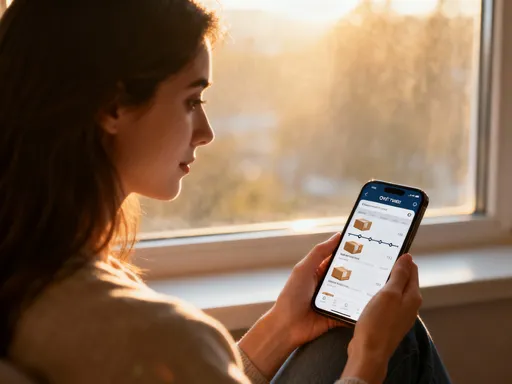
Here’s how it works, in plain terms: every photo or video I take automatically goes into a secure online space. No extra steps. No remembering to save. It just happens. And because it’s in the cloud, I can access it from any device—my phone, my laptop, even my mom’s tablet. The best part? I can invite family members to a shared space, like giving them a key to the memory house. They can add their own photos, leave comments, or just browse. It’s not about control. It’s about connection.
I started small. One weekend, I uploaded photos from my nephew’s birthday party—just ten pictures and a short video. Then I invited my sister and my mom to view the folder. My mom called me the next day, her voice full of wonder. 'I saw little Jamie blowing out the candles,' she said. 'I felt like I was right there.'
That moment did something to me. It wasn’t just about storage. It was about presence. And once I saw how easy it was, I kept going. A voice memo from my niece singing in the car. A scanned copy of my grandmother’s handwritten recipe for apple pie. A video of my dog chasing leaves in the backyard. Each one had a place. Each one was safe. The tool wasn’t magic. But what it made possible? That felt like magic.
Turning Tech Into a Monthly Ritual Everyone Loves
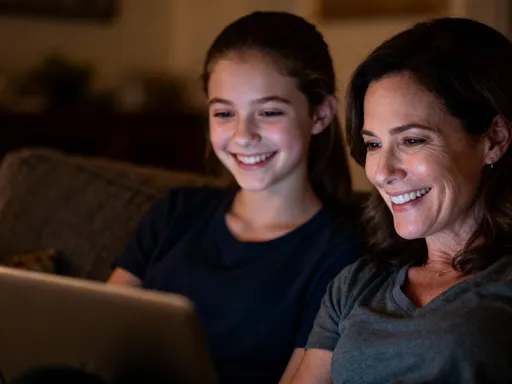
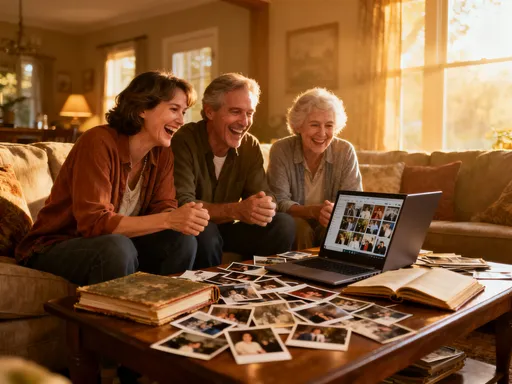
Here’s the thing about habits: they stick when they feel good. And that’s exactly what happened when we turned our digital organization into a monthly ritual. We called it 'Memory Night'—the first Friday of every month, no matter how busy we were. We’d each spend 15 minutes uploading something from the past month: a school play, a garden blooming, a silly moment at dinner. Then, we’d gather—sometimes in person, sometimes over video call—with tea or dessert, and just… watch. Laugh. Remember.
Last month, my cousin uploaded a video of her daughter trying broccoli for the first time. The face she made! We were all crying from laughing so hard. My dad, who usually says he ‘doesn’t get this tech stuff,’ watched it three times and said, 'That’s the funniest thing I’ve seen all year.'
What started as a way to prevent loss turned into something much richer. It became a way to stay close. Grandparents who live far away feel included. Kids love seeing themselves grow up. And we adults—well, we get to pause. To see how much has happened in just one month. To remember that joy isn’t always in the big events. Sometimes it’s in the messy hair, the spilled juice, the off-key singing in the kitchen.
And because it’s monthly, it never feels overwhelming. No one’s asking you to digitize 30 years of photos in one weekend. Just focus on now. What mattered this month? What made you smile? Save that. Share that. Let it be part of your family’s living story. Over time, these small moments build something beautiful—not just a collection, but a connection that grows with you.
What We Gained Beyond Protection
Of course, knowing our memories are safe is a relief. But what surprised me most was everything else we gained. It wasn’t just about not losing photos. It was about how having them—easily accessible, thoughtfully organized—changed the way we relate to each other.
Last winter, I had a rough week. Work was stressful, the house felt chaotic, and I was running on coffee and guilt. One night, I opened the shared folder and clicked on a folder labeled 'Summer 2023 – Beach Trip.' I watched a video of my whole family walking along the shore at sunset, the kids laughing, my mom tossing bread to the seagulls, my nephew yelling, 'Look! A hermit crab!' I sat there, tears in my eyes, not because I was sad, but because I remembered who we are. Not perfect. Not always calm. But together. Connected. Full of love.
That moment didn’t fix my problems, but it gave me perspective. It reminded me that hard times don’t erase good ones. And having that memory just a click away—no digging through boxes, no hoping the old DVD still works—made all the difference.
We’ve also noticed fewer misunderstandings. When my sister and I disagree, we sometimes pull up an old video of us as kids, building a fort in the living room. It softens us. Reminds us of our bond. And for the younger generation, it’s like having roots. My niece loves watching videos of her baby self. 'That was me?' she says, amazed. Yes, sweetie. That was you. And look how much you’ve grown.
The real gift isn’t storage. It’s resilience. It’s the quiet strength that comes from knowing you’re part of something that lasts. In a world that moves too fast, this is our anchor.
Starting Your Own Digital Tradition—No Tech Skills Needed
If you’re reading this and thinking, 'This sounds nice, but I’m not tech-savvy,' I see you. And I want you to know—neither was I. I still mix up terms like 'upload' and 'sync.' I once thought the cloud was just a metaphor. But here’s the good news: you don’t need to be an expert. You just need to care. And you already do.
Here’s how to start, step by step. First, pick one moment from the past month that mattered to you. Maybe it’s a photo of your garden in bloom. Maybe it’s a voice memo of your grandchild saying something funny. That’s your beginning. Next, choose a cloud platform—most phones have one built in. Turn on automatic backup for photos. It takes two minutes. Then, create a shared folder and invite one person you love. Your mom. Your sister. Your best friend. Let them in.
Set a reminder on your phone for the first of every month: 'Memory Time.' Just 15 minutes. No pressure. No perfection. Add what you can. Delete what you don’t want. Let it grow at its own pace. The goal isn’t a flawless archive. It’s a living collection of love.
And when you’re done, take a moment to look back. Click on something from six months ago. Watch a video. Read a note. Let yourself feel it. This is your life. These are your people. This is what matters.
I’ll tell you something I’ve learned: we don’t preserve memories because we’re afraid of losing them. We preserve them because we want to keep loving the people in them. Technology didn’t change my family. But it gave us a way to show up for each other, across time and distance, in the quietest, most meaningful ways. It’s not about perfect organization. It’s about love, memory, and the quiet joy of knowing nothing precious is ever truly lost.